
One description, not five
Explain the leak, storm damage, or replacement plan once. We use that information to connect you with a Denver roof contractor who handles that type of job.
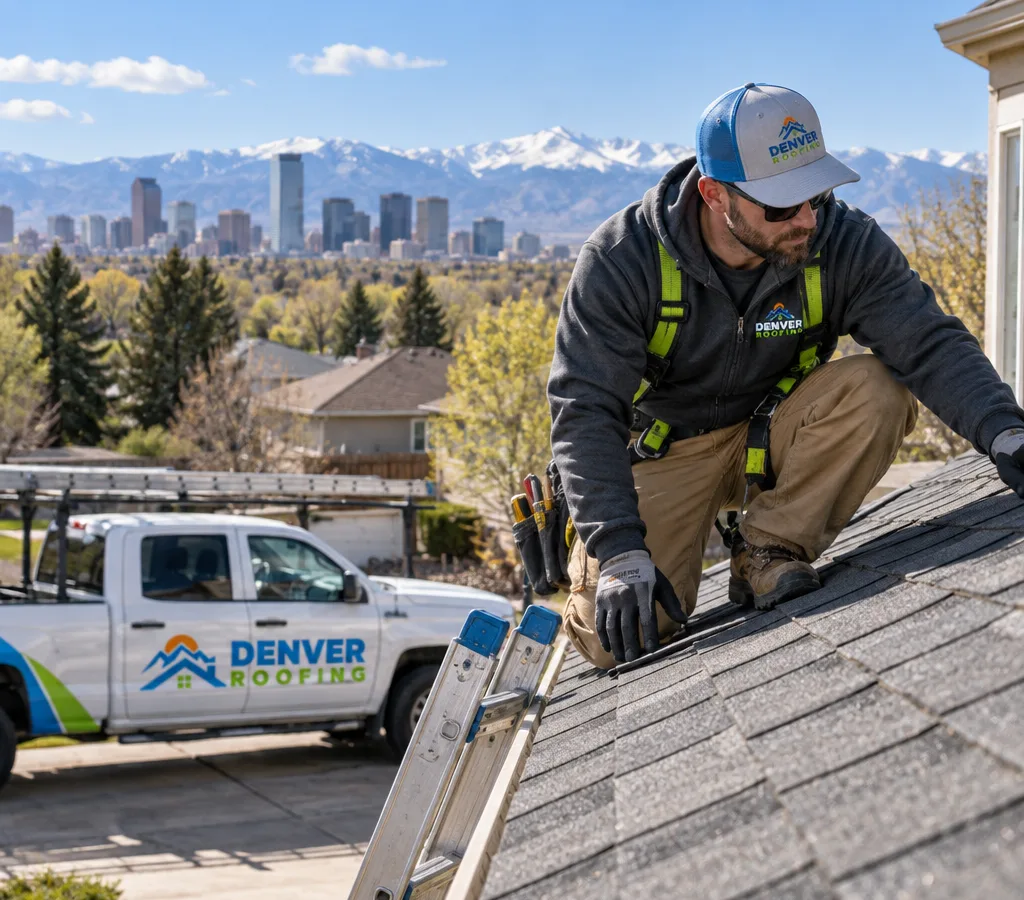
Roofing contractors in Denver, Colorado
Describe your roof issue once and we'll connect you with a local contractor who handles roofing work across Denver.
CALL NOW: (983) 955-0751One call for the right scope
Finding roofing contractors in Denver Colorado can take more time than the roof problem itself. If you have a leak, missing shingles after wind, hail marks, or a roof that's simply at the end of its life, the hard part is often getting the right person on the phone, explaining it multiple times, and waiting on callbacks.
Denver Roofing is a referral service. You call, describe what's going on, and we connect you with a local roofing contractor who takes on the kind of work you're dealing with, whether that's inspection and repair, a full replacement, or ongoing maintenance. You'll speak with the contractor directly about options, materials, and scheduling, and you choose whether to move forward.
If you're comparing options and want a broader overview of roofing work around the metro, start with roofing in Denver.
A simpler first conversation
Explain the leak, storm damage, or replacement plan once. We use that information to connect you with a Denver roof contractor who handles that type of job.
Roofing details change across the metro. A contractor who works regularly in Denver understands common roof types and weather patterns that affect materials and installation.
The contractor answers your questions, proposes the scope, and provides the quote. You decide who you hire and when the work happens.
If you're not sure whether you need repair or replacement, the contractor can start with an inspection and explain what they're seeing on your roof system.
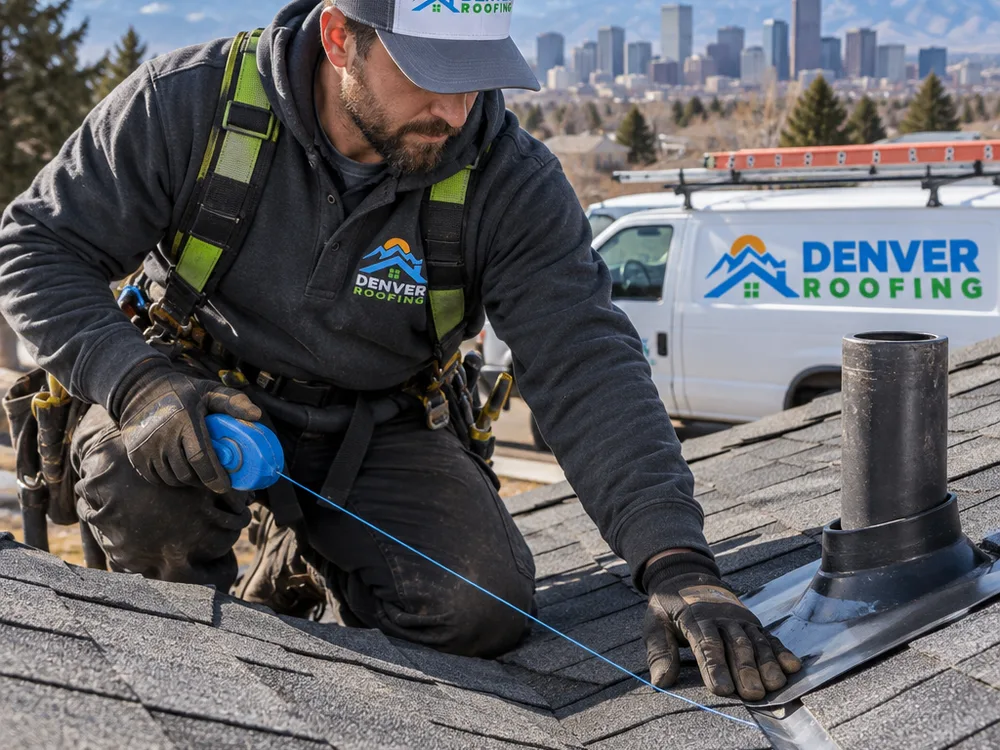
Many roof issues come down to flashing, valleys, pipe boots, or ventilation. Getting connected to a roofing contractor in Denver, CO helps you target the actual failure point.
Four clear steps
Share the roof type (if known), the issue (leak, missing shingles, hail hits, sagging, granules in gutters), and whether it's a single area or multiple slopes.
Based on what you describe, we route your call to an independent roofing contractor who serves Denver, CO and takes on that category of work.
The contractor can walk you through repair vs. replacement, material choices, ventilation needs, and what the work will involve on your home.
If the scope and timeline work for you, you can proceed with the contractor. If not, you're not committed to anything by making the call.
If you're trying to decide between a patch and a full reroof, describe the symptoms once and get connected with roofing contractors in Denver, CO who handle that decision every week.
Inspect the whole roof system
A roof is a system. Shingles or panels are only the outer layer. The problems homeowners notice indoors, like staining on drywall or a drip near a vent, often start at a detail outside.
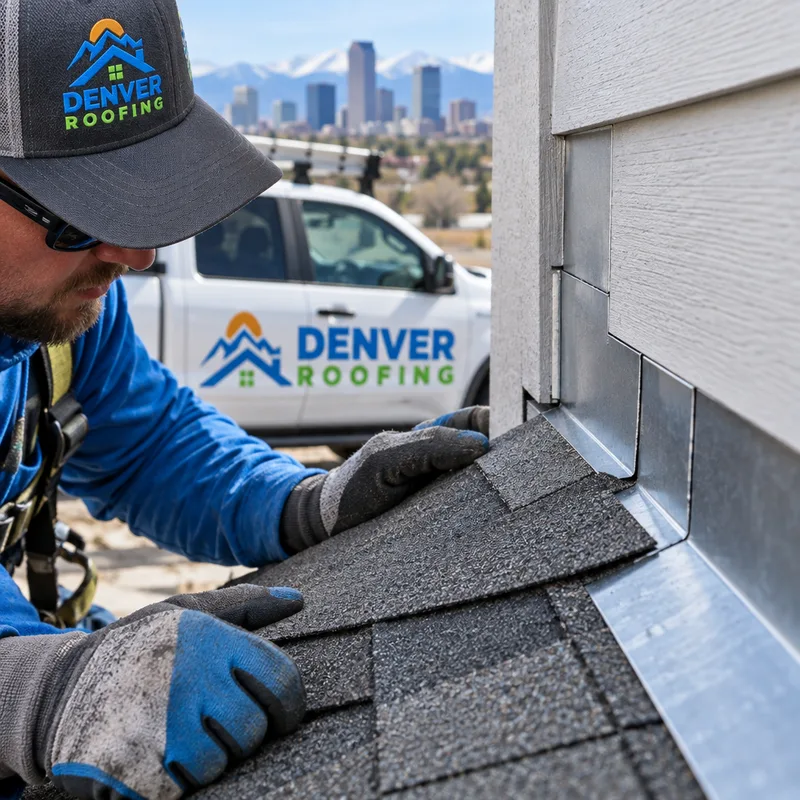
Leak tracing (not just the wet spot): A roofer usually starts by identifying the entry point, which may be uphill from the interior stain. Common sources include step flashing where the roof meets a wall, flashing at chimneys, pipe boots, skylight curb flashing, and roof valleys.
Storm damage details: Along the Front Range, hail and wind are common concerns. A contractor may look for bruised shingles, granule loss, exposed fiberglass mat, torn tabs, dented metal flashing, and damage on soft metals around vents and accessories.
Roof deck and ventilation: When shingles fail early or the attic shows moisture issues, the contractor may check the roof deck for soft spots and evaluate intake and exhaust ventilation. Balanced ventilation helps manage heat and moisture, which protects the deck and reduces the chance of ice-related issues in winter.
Flashing and penetrations: Many recurring leaks come from old sealant, poorly integrated flashing, or penetrations that were added after the original roof. A roofing contractor in Denver Colorado will often recommend repairing these details rather than chasing symptoms with surface sealants.
Material and installation compatibility: If you're mixing materials—for example, tying new shingles into an older roof or installing accessories on a metal roof—the contractor should confirm the right underlayment, fasteners, and flashing method for that system.
If you're in a part of Denver with older housing stock, like Capitol Hill or Wash Park, the roof layout may include more transitions, dormers, or masonry walls. Those intersections increase the importance of step flashing and counterflashing details. In areas with newer developments and steeper multi-plane roofs, like parts of Stapleton/Central Park, there can be more valleys and penetrations, which changes where problems tend to show up and how repairs are approached.
For commercial-style low-slope sections, common on some additions or porch roofs, the contractor may talk about membranes and drains rather than shingles. Low-slope roofs require different materials and detailing than steep-slope residential roofing.
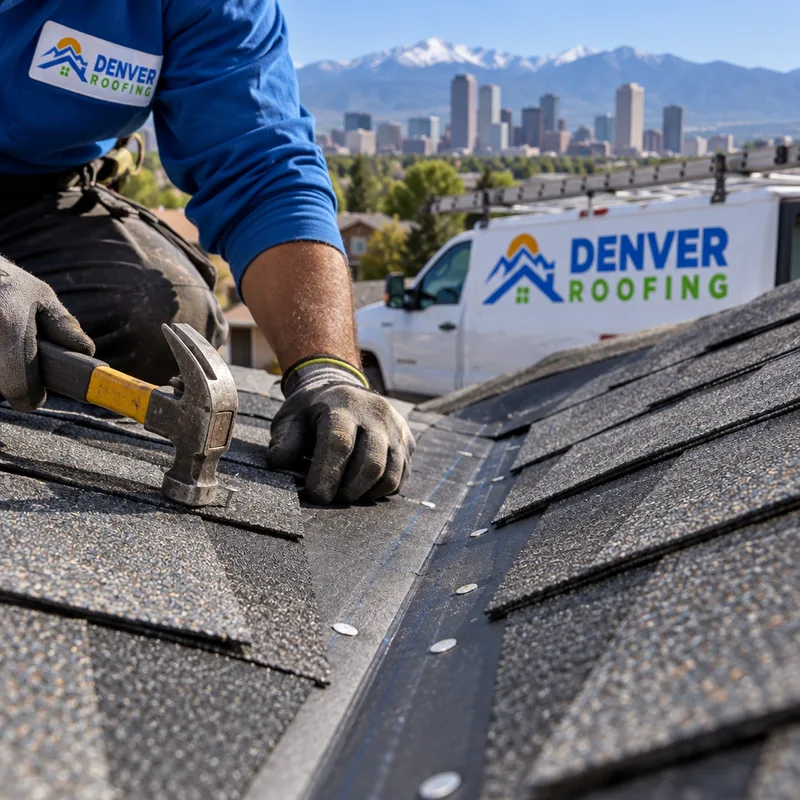
Roof systems and details
Common roofing questions
A repair usually makes sense when the problem is isolated to a detail or a small area, while replacement is considered when the roof system is worn across multiple slopes or has repeated failures. The roofing contractor you speak with will look at the condition of the shingles or panels, the flashing, and the underlayment performance at edges and penetrations, then explain which option fits what they find.
Start with what you can see: where the leak shows up inside, which side of the house it's on, and whether you noticed missing shingles, hail hits, or debris after a storm. If you know the roof type and roughly when it was installed, that helps the contractor narrow the likely causes and plan the inspection.
A typical inspection includes the roof surface, flashing at walls and penetrations, valleys, drip edge and gutters, and any signs of soft decking. If there's attic access, the contractor may also look for moisture staining, ventilation conditions, and insulation contact at eaves that can contribute to winter issues.
A full replacement on an average home is typically a multi-day job, with the exact duration driven by roof size, pitch, number of layers to remove, and how many details need rebuilding. The contractor will tell you what to expect for tear-off, deck inspection, installation, and final cleanup.
Often yes, because the goal is to fix the entry point, which is typically a flashing or penetration detail on the roof. If interior materials are saturated or there's mold risk, the contractor may recommend additional steps after the roof is made watertight, but the first priority is identifying and correcting the exterior failure.
Many local roofers regularly inspect for storm-related damage and document what they find on shingles, flashing, vents, and soft metals. When you're connected with a contractor, describe the timing of the storm, what you noticed outside, and any interior leaks so they can plan the inspection and explain the next steps.
If the deck is soft or deteriorated, the contractor typically explains where it's affected and what needs to be replaced before new roofing can be installed. Deck condition matters because fasteners need solid wood to hold properly, and the surface must be sound for underlayment and shingles or panels to perform as designed.
We use the details you share, such as roof type and the issue you're dealing with, to connect you with an independent contractor who serves Denver, CO and takes on that kind of roofing work. You then speak with the contractor directly to confirm scope, timing, and whether it's a fit for your home.
One call starts the conversation
Pick up the phone and describe what you're seeing. Denver Roofing will connect you with a local Denver roofing contractor who can review the situation and talk through the next steps.