
Describe it once
Instead of repeating the same story to multiple companies, you explain the leak, damage, or roof age one time and we route you to a contractor who takes on that kind of job.
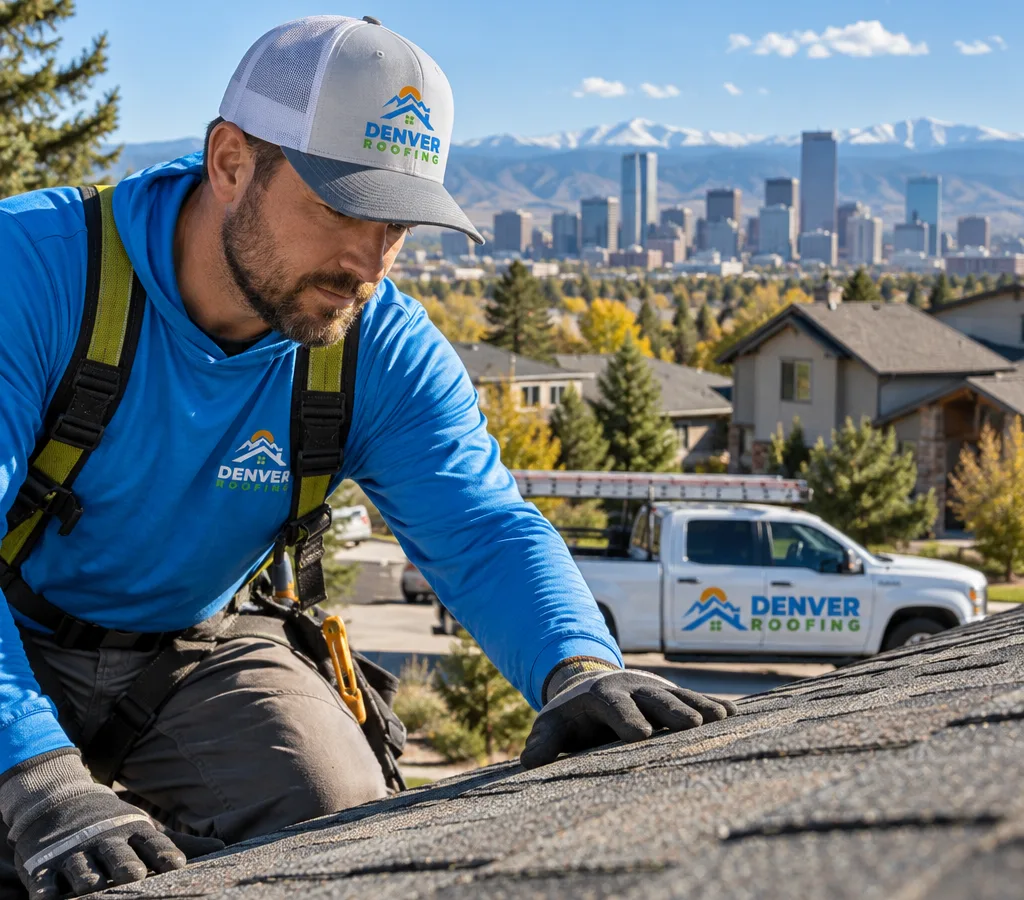
Roofing service in Denver, Colorado
Describe what's going on with your roof once and we'll connect you with a local contractor in Denver who handles this kind of work.
CALL NOW: (983) 955-0751Roof work and conditions
If you're searching for a roofer Denver Colorado homeowners rely on, you're usually trying to solve one of a few problems: a leak that won't stop, storm damage you can see from the ground, missing shingles, or an aging roof that's starting to fail. Denver Roofing is a referral service. We take your call, get the details, and connect you with a local roofer who can look at the roof and talk you through options.
A contractor you speak with may handle:
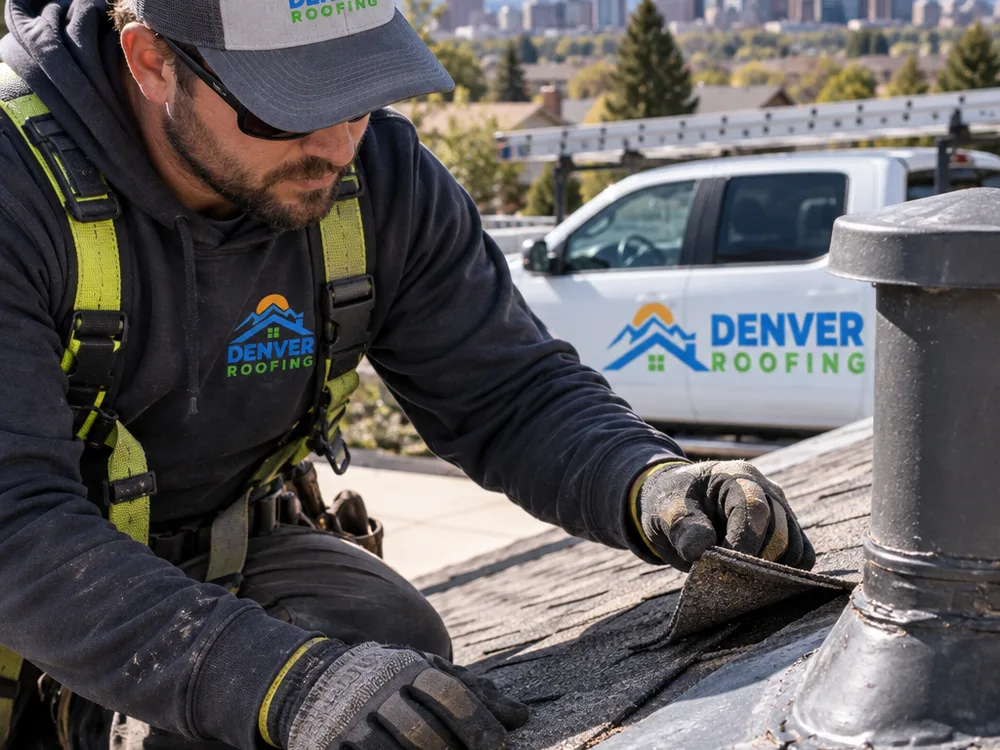
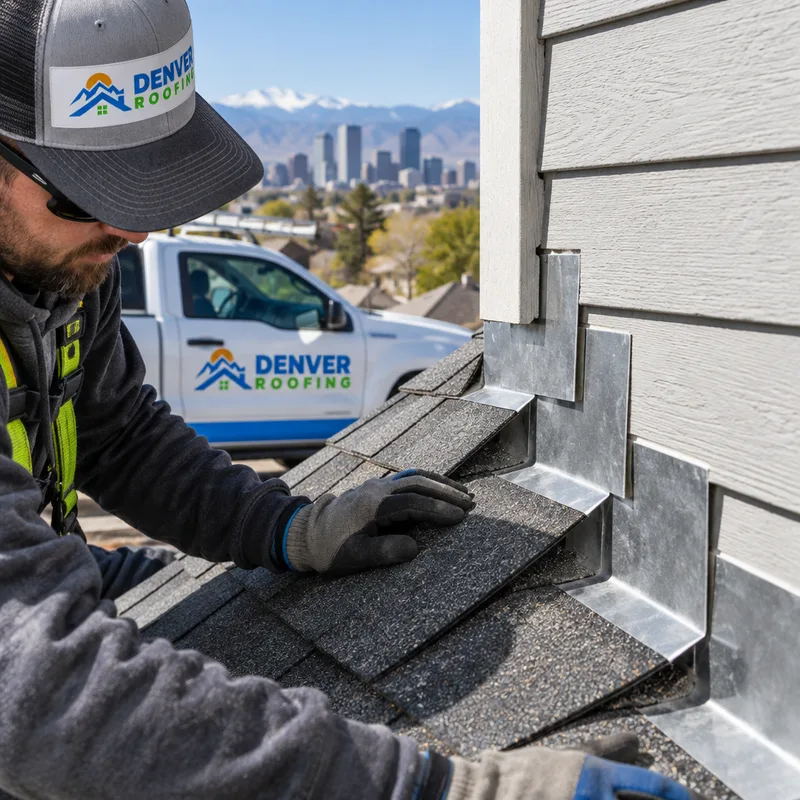
Denver weather matters for roofing decisions. Intense sun, big temperature swings, and hail events can age materials and expose weak points at penetrations and transitions. That's why good roofers in Denver CO spend as much time on flashing, ventilation, and the underlayment details as they do on the visible shingles.
A simpler first conversation
Instead of repeating the same story to multiple companies, you explain the leak, damage, or roof age one time and we route you to a contractor who takes on that kind of job.
We connect you with independent contractors who work in Denver and nearby communities, so you're not starting with someone who doesn't serve your area.
You speak with the roofer directly, ask your questions, and decide whether to move forward after you hear their recommendations.
Not every roof needs a full replacement. The contractor can confirm whether a targeted repair makes sense or whether the roof system is at the end of its life.
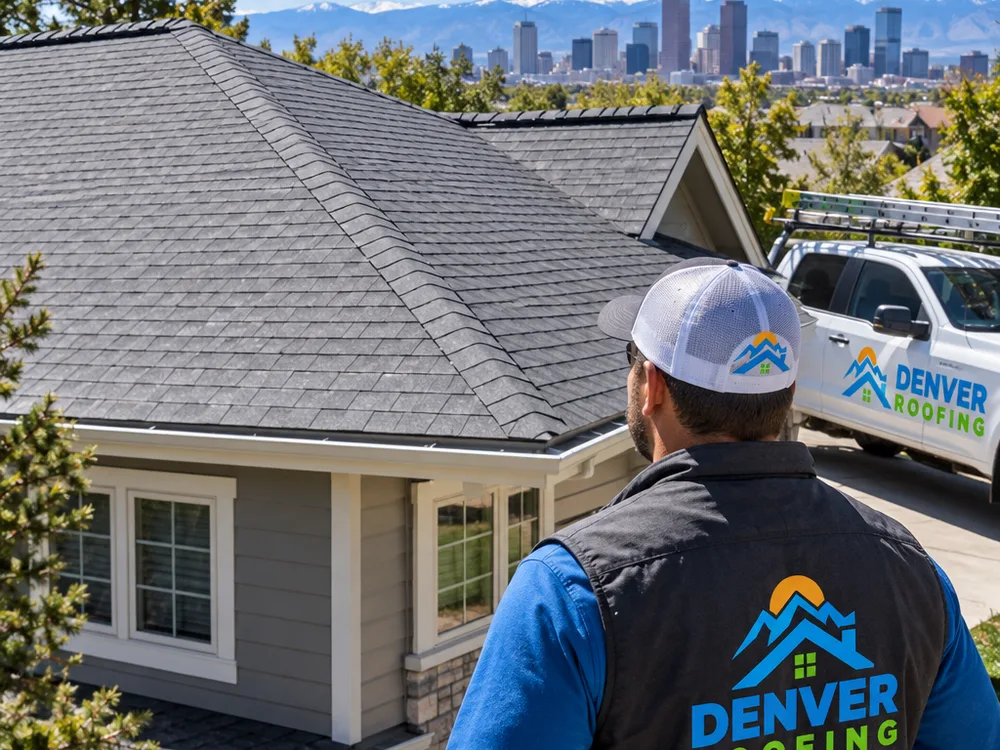
From steep-slope residential roofs to many common commercial roof types, we can connect you with roofers who focus on the building style you have.
Four clear steps
Share what type of roof you have (if you know), where the issue shows up, how long it's been happening, and whether there was a recent hail or wind event.
We connect you with a roofer near Denver, CO who handles the kind of roof and the kind of problem you described.
The contractor can ask follow-up questions, explain what they'll check, and outline possible repair or replacement paths based on what they find.
You choose whether to schedule the work. Any scope, materials, and warranty terms come from the contractor you speak with.
If you're comparing roofers in Denver Colorado, the simplest next step is to describe the issue once and get connected with a local roofer who can take it from there.
Inspection details
Common roofing questions
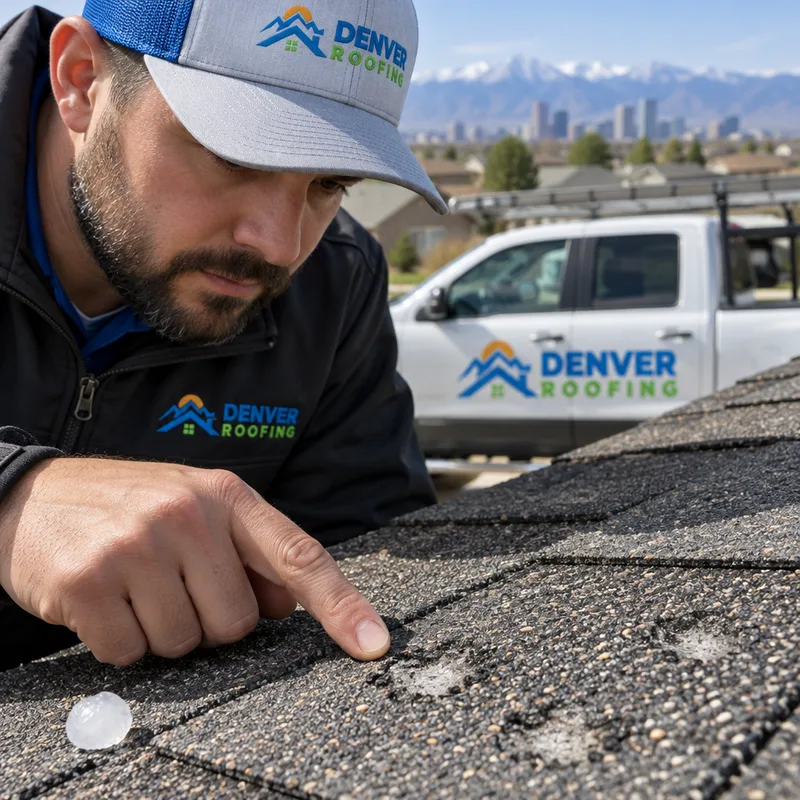
A roofer will usually start by identifying whether the problem is isolated (a flashing failure, a few damaged shingles, a single penetration) or systemic (widespread wear, recurring leaks in different areas, soft decking, or extensive storm damage). In Denver, hail can create damage that looks minor from the ground but becomes clearer during a closer inspection of shingle bruising, granule loss, and cracked mat. The contractor you're connected with can explain what they see and why that points toward repair or replacement.
Start with the roof type (asphalt shingles, tile, metal, or a flat/low-slope system), the approximate age if you know it, and what symptom you're dealing with (leak location, staining, missing shingles, debris in gutters). It also helps to note whether you have skylights, a chimney, solar mounts, or multiple roof levels, because those details affect where problems commonly show up and what the roofer will want to inspect first.
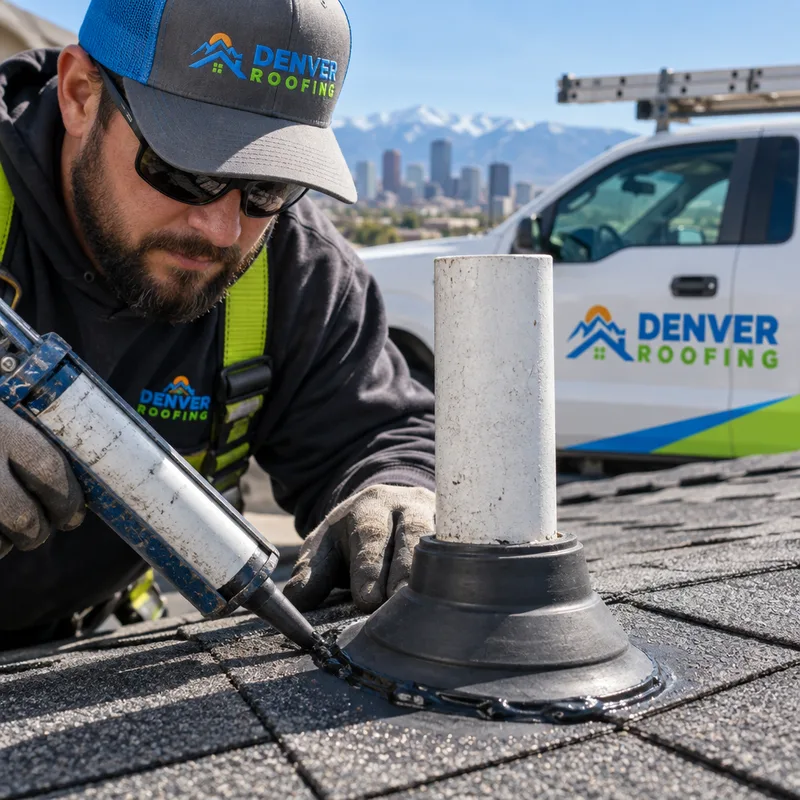
Many leaks trace back to transitions and penetrations rather than the middle of a roof field. Common sources include step flashing at walls, chimney flashing, vent and pipe boots, skylight curbs, and valleys where water is channeled. Ice dams can also contribute when melting snow refreezes at colder eaves and pushes water under shingles, especially if ventilation and insulation are out of balance. A roofer will typically inspect those locations first before recommending any repair scope.
A thorough inspection often includes the roof covering condition (shingles or membrane), flashing at walls and penetrations, ridge and edge details, valleys, gutters and downspouts, and ventilation components like ridge vents or static vents. Many roofers also look inside the attic when accessible for signs of moisture, mold, daylight at penetrations, and decking condition. The contractor can walk you through what they found and what it means for the roof system.
A reroof usually involves protecting landscaping, removing and disposing of the old material, inspecting the roof deck, and then rebuilding the roof system with underlayment, drip edge where applicable, ice-and-water membrane at critical areas when used, flashing, and the new roofing material. The contractor should explain where ventilation will be addressed, how valleys and penetrations will be flashed, and what the cleanup plan looks like for nails and debris. The exact steps depend on the roof type and the building details.
Yes. When you call, mention that the roof is flat or low-slope (common on some additions, townhomes, and commercial buildings) and describe any ponding water, bubbling, seam issues, or interior stains. We'll connect you with a local contractor who handles that roof style so you can discuss repair versus replacement options for the specific membrane or system you have.
Ask what they believe is the most likely leak source based on your description, what areas they'll inspect first, and what repair approaches they typically use for that kind of detail (for example, step flashing vs. surface sealants). If you're discussing replacement, ask what materials and ventilation approach they recommend for your roof type and why, and what warranty terms apply to materials and workmanship. You can also ask how they handle decking repairs if damaged sheathing is found after tear-off.
One call starts the conversation
Pick up the phone and describe what's happening with your roof. Denver Roofing will connect you with a local contractor who can answer questions, look at the roof, and explain next steps.