
One call, one description
Explain your roof type, goals, and what you're replacing once. We connect you with a local contractor who handles roof installation.
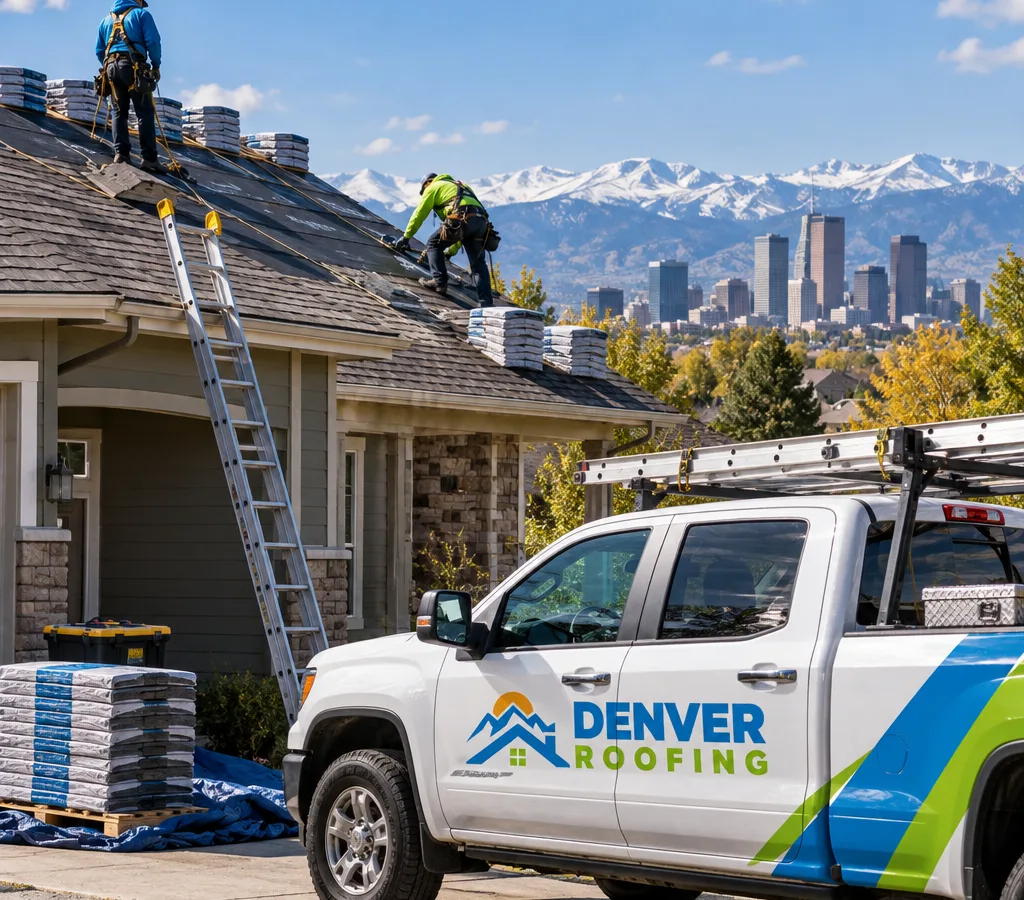
Roof installation in Denver, Colorado
Describe your new-roof project once and we'll connect you with a local contractor in the Denver area who installs roofs for your type of home or building.
CALL NOW: (983) 955-0751Plan the complete roof system
Denver roof installation is the full build of a new roofing system: the layers above your roof deck that manage water, wind, ice, and ventilation. Whether you're building, replacing an old roof down to the deck, or changing materials, the installation details determine how the roof performs long after the last nail is set.
A complete installation usually covers:
In Denver, wind and hail are common factors in material choice and detailing. A contractor will often talk through impact-rated shingle options, metal gauge and fastening patterns, and how flashing will be rebuilt around chimneys and skylights.
Permitting can also be part of the job planning. Roof work in the City and County of Denver may require a permit depending on scope, and the contractor handling the installation can explain what applies to your project.
If you're still comparing the scope and what to describe on the phone, roofing in Denver Colorado is a useful starting point for the wider set of roof services homeowners call about.
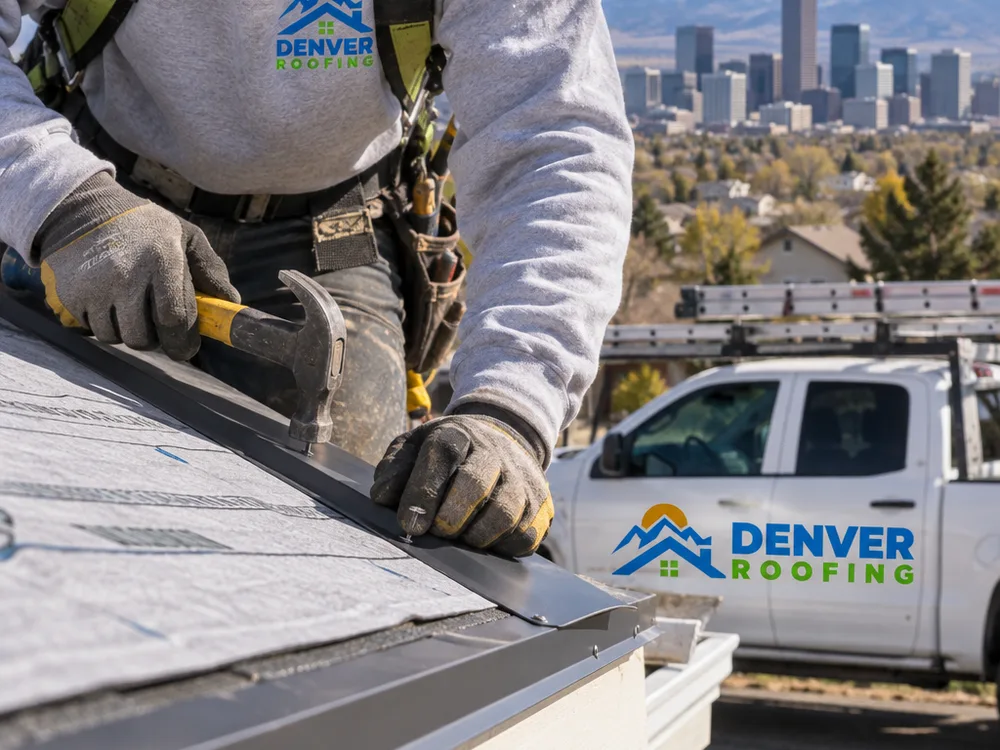
A simpler installation conversation
Explain your roof type, goals, and what you're replacing once. We connect you with a local contractor who handles roof installation.
Flat and low-slope assemblies, steep-slope shingles, metal, and tile all install differently. We connect you with a contractor who works with your kind of system.
Denver's sun, hail, and wind influence material selection, fastening, and flashing details. The contractor you speak with can walk through what's typical for your roof.
A good installer will talk through access, staging, protection for landscaping, and what areas of the home may be impacted during tear-off and install.
You talk directly with the contractor, ask your questions, and decide whether to move forward on their scope and timeline.
Five clear steps
Share the property type, roof style, approximate size if you know it, and whether this is new construction or a full replacement.
We connect you with an independent contractor who serves the Denver area and takes on roof installation projects like yours.
The contractor will ask about layers, decking condition, ventilation, penetrations, and access constraints such as tight driveways or alley access.
You'll hear what they recommend for materials and detailing, how they plan to protect the property, and how they handle debris and cleanup.
You choose whether to proceed after you've had your questions answered and understand the proposed installation approach.
If you're planning a new roof, the fastest way to get traction is to talk it through once and get connected with a local installer who can take the next steps.
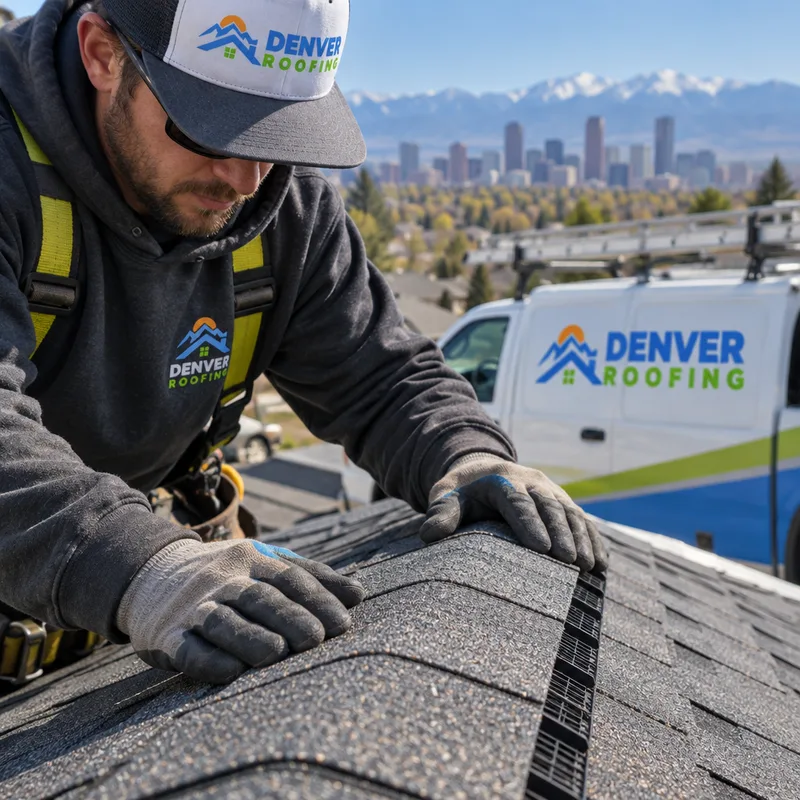
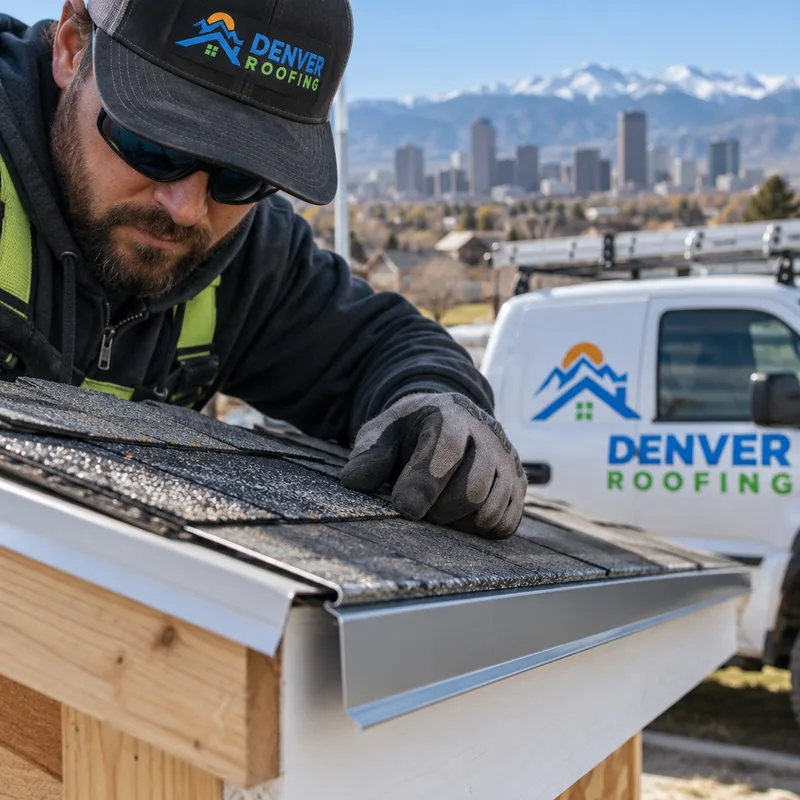
Roof system workmanship
Common installation questions
A full roof installation is usually considered when the roof system is at the end of its service life, has widespread damage, or you're changing materials or rebuilding details like flashing and ventilation. A contractor will look at the field shingles or membrane, the flashing at walls and penetrations, and whether issues are localized or spread across the roof.
The contractor will want your roof type, the property type, how many layers are currently on the roof if you know, and any known problem areas like skylights, chimneys, or past leaks. It also helps to mention access constraints, such as a tight lot, alley access, or limited staging space.
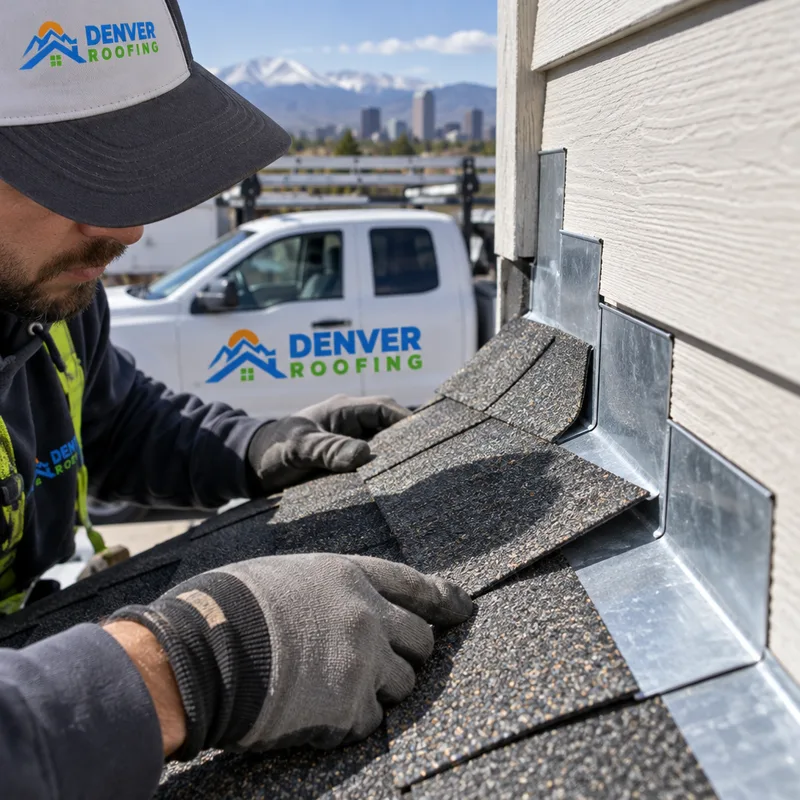
Flashing, underlayment, and ventilation are the parts that prevent leaks and moisture problems even when the surface material looks good. In practice, many roof leaks start at transitions: valleys, sidewalls, chimneys, plumbing vents, and around skylights.
A full replacement on an average home is typically a multi-day job, but the exact duration depends on roof size, pitch, number of layers to remove, decking repairs, and complexity like multiple valleys or steep sections. Weather can also pause tear-off and installation, so the contractor will explain how they plan around that.
Yes, but switching materials changes the installation details and sometimes the structure under it. For example, moving from shingles to heavier materials can raise questions about load, and changing to metal can change how flashing, underlayment, and ventilation are detailed. The contractor you speak with can explain what changes with your roof design and goals.
Ask how the contractor plans intake and exhaust ventilation and whether existing vents will be reused, upgraded, or rebalanced. A typical approach is intake at the eaves with exhaust at the ridge, but the right configuration depends on your roof design and what's already there.
Roof installation often involves working around gutters and roof penetrations, and sometimes removing and reinstalling items like skylight flashing or mounting hardware. Tell the contractor what's on the roof so they can plan the sequence and clarify what is included in their scope.
Yes, you can describe whether the roof is flat or low-slope and what kind of building it is, and we'll connect you with a local contractor who handles that type of installation. Low-slope systems rely heavily on correct membrane selection, seam work, and drainage detailing, so matching the right contractor matters.
One call starts the project conversation
Call Denver Roofing and describe the roof once. We'll connect you with a local contractor in the Denver area who can review your goals, explain material options, and outline the installation approach for your property.